
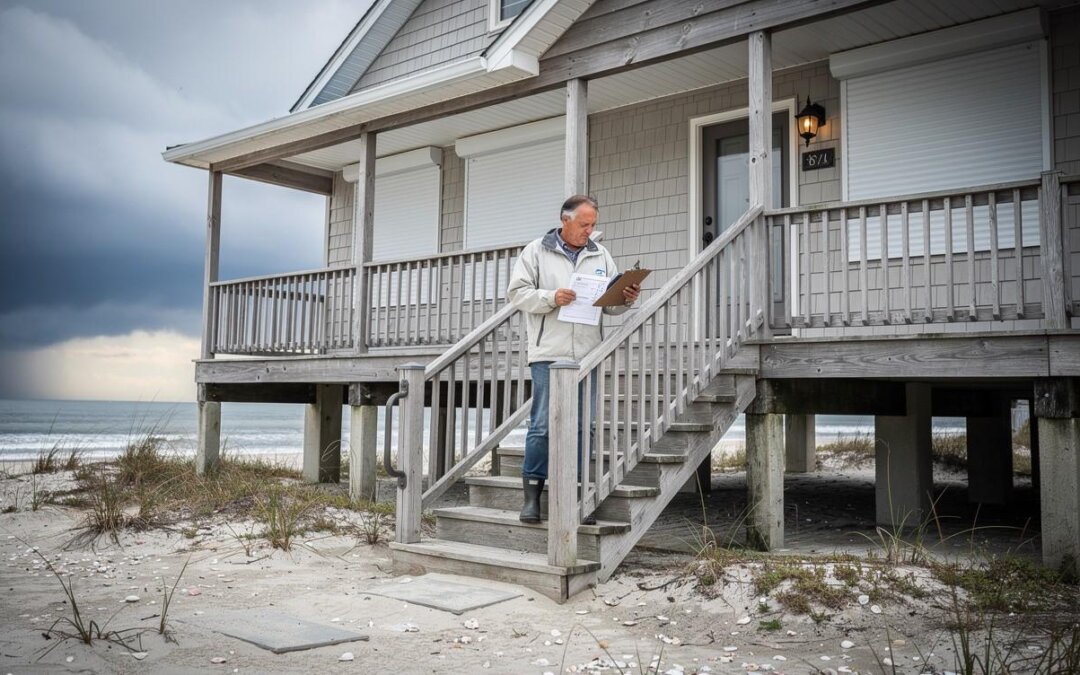
Hurricane coastal homeowners insurance isn’t optional if you live near Texas shores. Standard policies leave massive gaps when storms hit, and most coastal homeowners don’t realize what they’re actually covered for until damage occurs.
At Brooks Insurance, we’ve seen firsthand how unprepared many property owners are when hurricane season arrives. This guide walks you through what protection you actually need and how to close the gaps in your coverage before the next storm.
Why Coastal Properties Face Disproportionate Risk
Coastal Texas homeowners face storm exposure that inland residents simply don’t encounter. Hurricane-force winds, storm surge, and extreme rainfall create a perfect storm of financial liability. The National Hurricane Center tracks an average of six hurricanes per Atlantic season, with Texas experiencing a direct hit roughly every three years according to historical data. When a hurricane reaches your coastal property, wind speeds exceeding 150 mph tear roofs apart, shatter windows, and compromise structural integrity in minutes. Storm surge-the ocean water pushed ashore by hurricane winds-floods homes with saltwater that destroys everything it touches, from drywall to electrical systems. This isn’t theoretical risk; it’s quantifiable exposure that standard homeowners policies were never designed to handle.

The Coverage Gap That Surprises Most Coastal Homeowners
Standard homeowners insurance covers wind damage in most inland Texas areas, but coastal properties operate under different rules. Insurers stopped writing new policies in coastal zones years ago because the financial exposure became too extreme. If you live within a few miles of the Gulf, your standard policy likely excludes or severely limits windstorm coverage-the exact peril that hurricanes deliver. Flood damage, which often causes more destruction than wind itself, receives zero coverage under standard homeowners policies. The National Flood Insurance Program notes that 30 percent of flood claims occur in low-to-moderate risk zones where homeowners assume they’re protected. This means a $400,000 home can suffer $200,000 in damage from a single storm while insurance pays almost nothing.

Mortgage lenders won’t accept this exposure, which is why coastal residents must purchase separate windstorm policies through the Texas Windstorm Insurance Association or private carriers, plus flood insurance through the National Flood Insurance Program or private flood insurers.
Storm Damage Costs Real Money
Coastal hurricanes consistently rank among the costliest natural disasters in American history. Hurricane Harvey in 2017 generated $125 billion in damages across Texas, with coastal homeowners bearing the heaviest losses. Roof replacement alone averages $15,000 to $25,000 after major storms, and that’s before you address foundation damage, electrical system replacement, or interior water damage. A single hurricane can leave homeowners facing six-figure repair bills, especially when you account for inflation in construction materials and labor. Without proper windstorm and flood coverage, that financial burden falls entirely on you-which is why understanding your actual coverage needs matters before storm season arrives.
What Your Hurricane Coverage Actually Covers
Wind Damage Protection and Its Limits
Windstorm coverage protects against the destructive forces that hurricanes deliver, but the protection applies only to wind damage itself-not everything you might assume falls under that umbrella. Wind damage includes torn roofs, shattered windows, structural damage from extreme winds, and debris impact. However, windstorm policies specifically exclude water damage that enters your home through broken windows or damaged roofs. This distinction matters enormously because Hurricane Harvey demonstrated that water causes the majority of hurricane damage. When rain enters through a compromised roof during a storm, standard windstorm coverage will not pay for the resulting interior damage.
Storm Surge Requires Separate Flood Coverage
Storm surge operates under completely different rules than windstorm protection. Storm surge is ocean water pushed inland by hurricane winds, and it floods homes with saltwater that corrodes electrical systems, destroys drywall, and ruins furnishings. The National Flood Insurance Program covers storm surge damage through flood policies, not windstorm coverage. Coastal Texas homeowners need both policies working together-windstorm handles the wind damage, and flood insurance handles the water intrusion. Many homeowners mistakenly believe one policy covers both, then face catastrophic financial exposure when the claim arrives.
Flood Insurance Cannot Wait Until Storm Season
Flood damage requires its own dedicated policy because standard homeowners insurance explicitly excludes all water damage from external sources. The National Flood Insurance Program offers flood policies with a 30-day waiting period before coverage becomes effective, which means you cannot wait until storm season to purchase protection. Private flood insurance is also available through some carriers and may offer faster activation and customized coverage limits. This waiting period creates a critical planning window-you must act months before hurricane season peaks to ensure your flood protection activates in time.
Additional Living Expenses During Displacement
Additional living expenses coverage reimburses hotel stays, meals, and temporary housing when a hurricane forces evacuation or makes your home uninhabitable. This coverage typically caps at 20 to 30 percent of your home’s insured value, which translates to $80,000 to $120,000 for a $400,000 home. After major hurricanes, temporary housing costs spike dramatically-hotels charge premium rates, rental properties disappear from the market, and you may spend months rebuilding. Additional living expenses coverage prevents evacuation from becoming a financial crisis on top of the property damage itself. Many coastal homeowners carry minimums that will not cover extended displacement in a major hurricane scenario, which is why reviewing your specific coverage limits matters before storm season arrives.
Understanding what each policy covers sets the foundation for closing gaps in your protection. The next step involves assessing your home’s actual vulnerabilities and determining which coverage types your property truly needs.
Protecting Your Coastal Home Before Hurricane Season Arrives
Assess Your Home’s Specific Vulnerabilities
Start with your home’s actual vulnerabilities rather than generic preparation advice. Coastal Texas homes face specific risks based on construction age, elevation, roof condition, and proximity to the Gulf. Homes built before 2000 typically lack modern wind-resistant construction standards and suffer disproportionate damage during hurricanes. The Texas Department of Insurance recommends obtaining a windstorm inspection certificate, which documents whether your property meets current building codes and determines your eligibility for Texas Windstorm Insurance Association coverage. Schedule this inspection in spring, not August, because inspectors become overwhelmed as hurricane season approaches.
Walk your property during daylight and identify specific weaknesses: loose roof shingles, deteriorating flashing around chimneys, gaps where utilities enter your home, and windows or doors that don’t seal properly. These details matter because water intrusion during storms causes more damage than wind alone, and fixing these issues beforehand reduces both your vulnerability and your insurance costs.
Document Your Home’s Current Condition
Photograph your home’s exterior, roof condition, and any existing damage before hurricane season. This documentation becomes invaluable when filing claims, as insurers require evidence of pre-storm conditions. Create a written inventory of your home’s contents, including high-value items like electronics, artwork, and jewelry. Store copies of these photos and lists in a waterproof container or cloud storage that you can access from anywhere.
Identify Coverage Gaps in Your Current Policy
Your current insurance coverage almost certainly contains gaps that will surprise you during a claim. Pull out your homeowners policy and contact your agent to clarify exactly what wind and flood coverage you carry. Ask specific questions: What is your windstorm deductible versus your standard deductible? Does your policy cover wind damage to fences, detached structures, or swimming pools? What is the actual dollar limit for additional living expenses?
The National Flood Insurance Program requires a 30-day waiting period, so obtain flood coverage immediately if you lack it, not when storm warnings appear. Review your coverage limits against your home’s replacement cost, not its market value. A $400,000 home may cost $450,000 to rebuild after a hurricane due to material price spikes and labor shortages.
Work with an Independent Agent to Close Gaps
Licensed agents work with you to identify coverage gaps and recommend specific adjustments that align with your property’s actual risk profile. Independent agencies represent multiple carriers, which means you access different windstorm options, flood insurance choices, and premium structures than you would working with a single company. Schedule this review in May or June, giving yourself time to adjust coverage before the peak hurricane season that runs August through October. Your agent can explain deductible options, coverage limits, and exclusions in plain language so you understand exactly what protection you have when a storm arrives.

Final Thoughts
Coastal hurricane homeowners insurance protects your financial security when storms arrive, but only if you understand what coverage you actually carry and where gaps exist. Standard homeowners policies fail coastal Texas residents because they exclude or severely limit the exact perils that hurricanes deliver. Wind damage requires separate windstorm coverage through the Texas Windstorm Insurance Association or private carriers, flood damage demands its own dedicated policy through the National Flood Insurance Program or private flood insurers, and additional living expenses coverage prevents evacuation from becoming a financial catastrophe on top of property damage.
Your action timeline matters more than you realize. The National Flood Insurance Program enforces a 30-day waiting period before flood coverage activates, which means purchasing protection in August when storm warnings appear is too late. Schedule your windstorm inspection in spring so you qualify for TWIA coverage before hurricane season peaks, review your current policy limits against your home’s actual replacement cost (accounting for material price inflation that follows major storms), and identify specific vulnerabilities in your home’s construction so you can address them before the next hurricane arrives.
We at Brooks Insurance have spent over 50 years helping Texas homeowners close coverage gaps and prepare for storm season. As an independent agency, we represent multiple top-rated insurance companies, which means you access different windstorm options, flood insurance choices, and premium structures than working with a single carrier. Contact Brooks Insurance today to schedule your coverage review and ensure your coastal property has the protection it needs before the next hurricane season arrives.
Disclaimer: The information provided in this blog is for general informational purposes only and does not constitute legal, financial, or insurance advice. Coverage options, terms, and availability may vary. Please consult with a licensed professional for advice specific to your situation